
What to Expect During a Diabetic Eye Exam in Granada Hills, CA
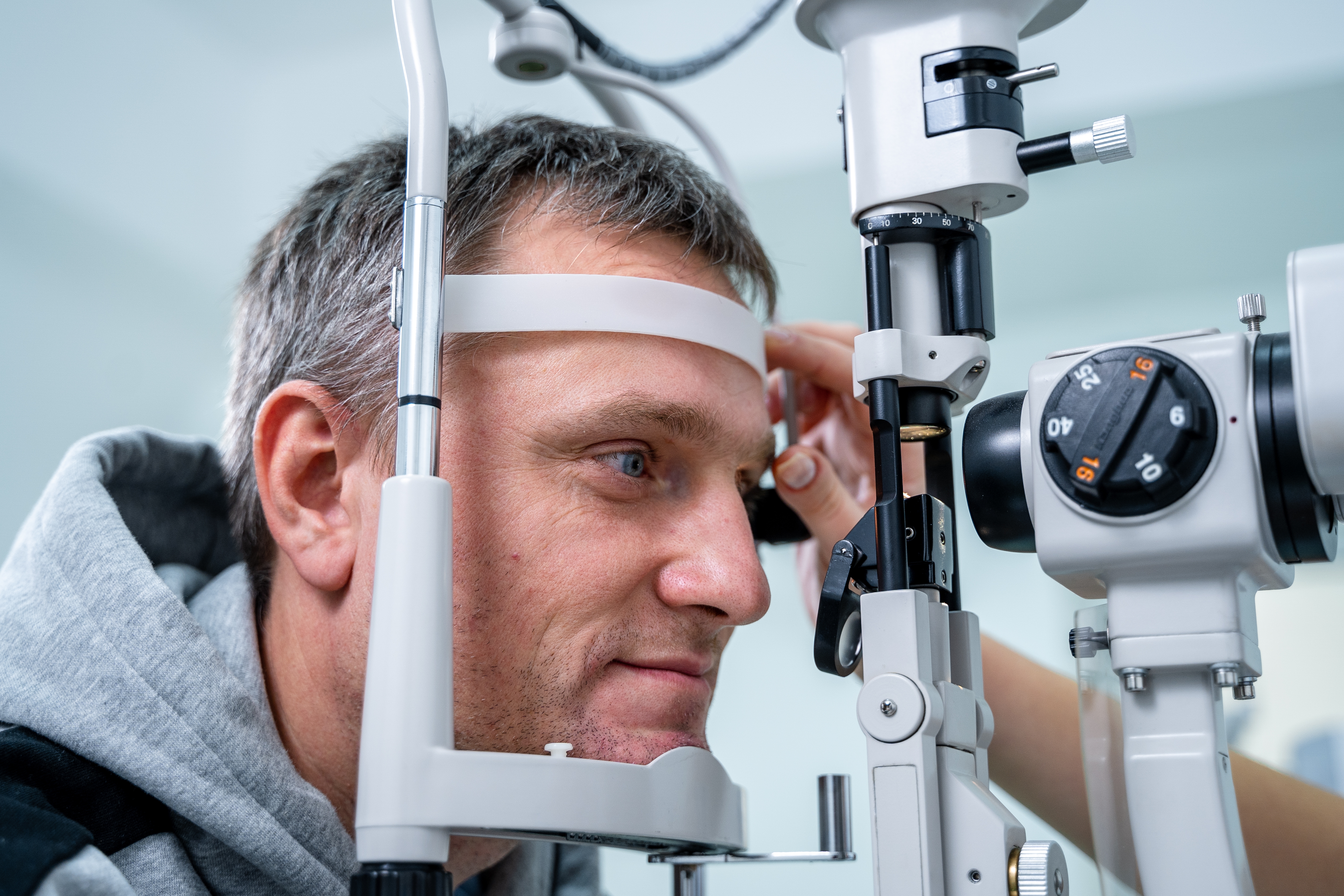
Diabetes can affect more than your blood sugar. It can also damage the small blood vessels in your eyes, increasing your risk of diabetic retinopathy and other vision problems. These changes often develop without noticeable symptoms, making regular diabetic eye exams an important part of protecting your vision. At Mission Family Optometry in Granada Hills, CA, we provide comprehensive eye care to help patients with diabetes monitor their eye health and identify potential concerns early.
Reviewing Your Medical and Vision History
Your diabetic eye exam begins with a review of your medical history and any changes in your vision. We may ask about your diabetes diagnosis, recent blood sugar levels, A1C results, medications, and previous eye examinations.
We also discuss symptoms such as blurry vision, difficulty focusing, or new floaters. Even if your vision seems normal, these details help us understand your risk factors and determine which evaluations are appropriate.
What Happens During a Diabetic Eye Exam?
A diabetic eye exam involves several steps to evaluate your vision and check for diabetes-related complications. Depending on your needs, your appointment may include:
• Visual Acuity Testing: We assess how clearly you see at different distances and determine whether your prescription has changed.
• Eye Pressure Measurement: We may measure your intraocular pressure to help evaluate your risk of glaucoma.
• Dilated Eye Examination: We use special eye drops to widen your pupils, allowing us to examine the retina and other structures inside your eyes.
• Retinal Evaluation: We look for signs of diabetic retinopathy, including damaged blood vessels, bleeding, or swelling.
• Additional Imaging: When appropriate, retinal photography or optical coherence tomography (OCT) can provide more detailed information about your retinal health.
These evaluations help us identify changes that may not affect your vision immediately.
What to Expect After Eye Dilation
If your appointment includes dilation, your pupils may remain enlarged for several hours. During this time, you might experience temporary blurry vision, especially when reading, and increased sensitivity to light.
We recommend bringing sunglasses to your appointment. Depending on how your eyes respond to dilation, you may also want someone available to drive you home.
Understanding Your Diabetic Eye Exam Results
After your examination, we review our findings and explain whether we detected any diabetes-related changes. If your eyes appear healthy, we can recommend an appropriate monitoring schedule. If we identify signs of diabetic retinopathy or other concerns, we discuss additional testing, closer follow-up, or referral to a retinal specialist when necessary. Our goal is to help you understand your eye health and make informed decisions about your ongoing care.
How Often Should You Have a Diabetic Eye Exam?
Many patients with diabetes need a comprehensive dilated eye exam annually, although the recommended schedule depends on their medical history, diabetes type, and previous examination results.
Regular monitoring is particularly important because diabetic eye disease can progress before symptoms become noticeable. Maintaining consistent eye care helps us recognize changes over time and coordinate care when needed.
If you have diabetes and are due for an eye examination, schedule a diabetic eye exam with Mission Family Optometry to monitor your retinal health and protect your vision. Visit our office in Granada Hills, CA, or call (818) 360-7522 to book an appointment today.



Contact Info
Hours of Operation
- Monday 9:30am - 6:00pm
- Tuesday 9:30am - 6:00pm
- Wednesday 9:30am - 6:00pm
- Thursday 9:30am - 6:00pm
- Friday 9:30am - 6:00pm
- Saturday 9:00am - 2:00pm
- Sunday Closed
© 2026 Mission Family Optometry. All Rights Reserved. Accessibility Statement - Privacy Policy - Sitemap
Powered by:
