
How Early Myopia Control Protects Your Child’s Vision
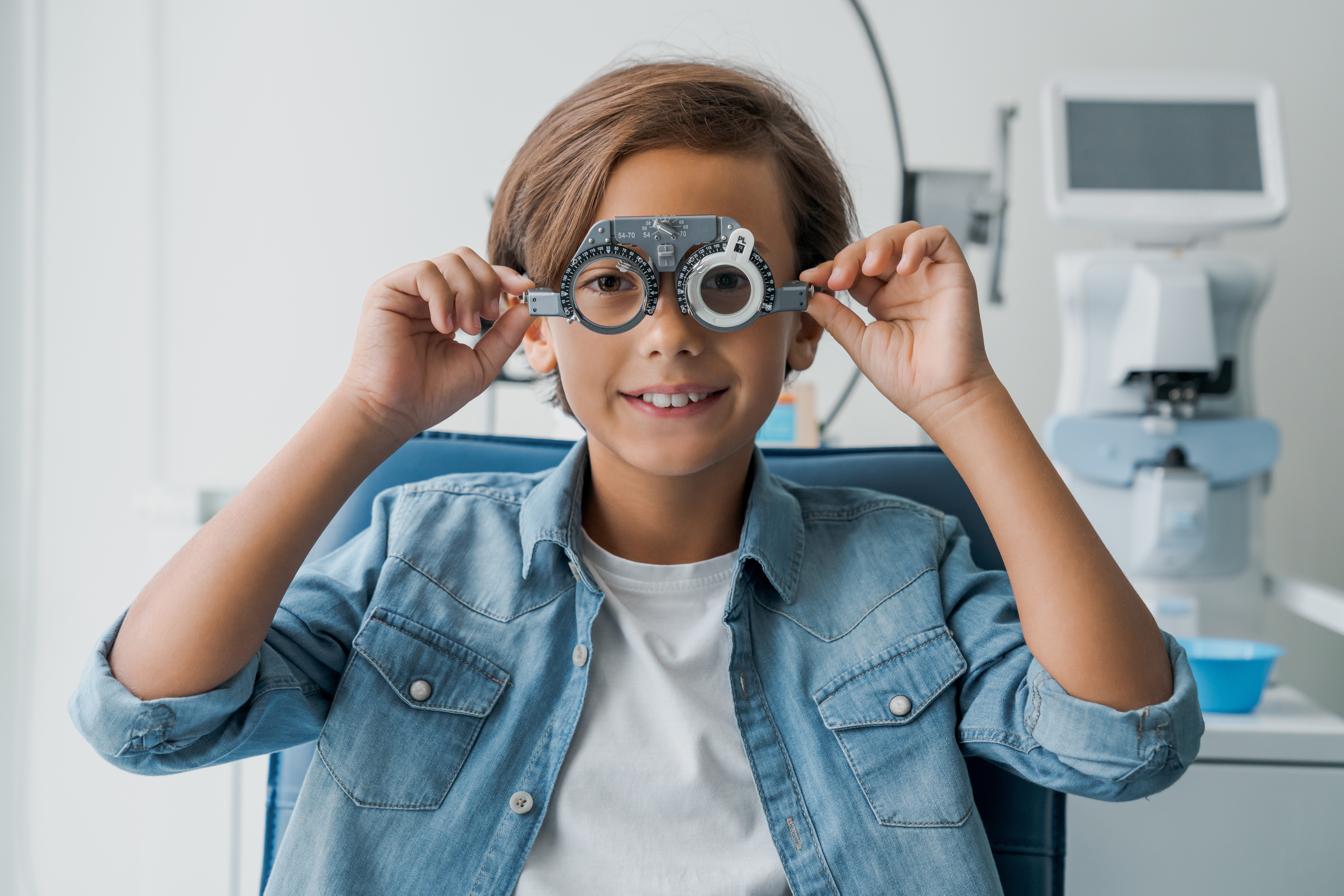
Myopia, or nearsightedness, is a condition where distant objects look blurry because the eye grows too long from front to back. It often starts in childhood and can continue to worsen as kids grow. Since myopia commonly develops between ages 6 and 14, early diagnosis matters for families in Granada Hills who want to protect their child’s long-term vision.
Why Myopia Progression Is a Concern
Myopia is more than just needing stronger glasses each year. When myopia keeps progressing, the eye becomes longer, which can raise the risk of serious eye conditions later in life. High myopia is associated with complications such as retinal tears, retinal detachment, and other vision-threatening changes.
The Importance of Regular Pediatric Eye Exams
Children do not always realize their vision is changing, and they may not mention blurry distance vision at school or during activities. Regular pediatric eye exams help catch myopia early, track how quickly it is progressing, and identify when treatment should begin. For families in Granada Hills, annual pediatric eye exams are one of the best ways to stay ahead of myopia progression.
How Early Myopia Control Helps Protect Vision
Early myopia control focuses on slowing how quickly the eye becomes more nearsighted. Slowing progression in childhood may reduce the chance of a child developing high myopia later, which helps lower the risk of future eye health problems. The goal is not only clearer vision today, but healthier eyes for the future.
Common Myopia Control Treatments
We offer several approaches to myopia control, and the right option depends on your child’s age, prescription, eye health, and lifestyle. Common treatments include:
- Low-dose atropine eye drops - used over time to help slow myopia progression
- Special contact lenses - including multifocal or specially designed lenses that help manage how light focuses in the eye
- Orthokeratology - custom contact lenses worn overnight to reshape the cornea and help slow progression
- Stellest lenses - these specialized spectacle lenses are designed to help slow myopia progression while providing clear, comfortable vision for children
Support Your Child’s Long-Term Eye Health
A child’s prescription, rate of progression, family history, and visual habits all play a role in choosing treatment. Ongoing follow-up visits let us monitor changes and adjust the plan as needed. With the right strategy, many children can slow progression and better protect their long-term eye health.
Schedule your child’s eye exam with Mission Family Optometry to learn more about myopia management options. Visit our office in Granada Hills, California, or call (818) 360-7522 to book an appointment today.



Contact Info
Hours of Operation
- Monday 9:30am - 6:00pm
- Tuesday 9:30am - 6:00pm
- Wednesday 9:30am - 6:00pm
- Thursday 9:30am - 6:00pm
- Friday 9:30am - 6:00pm
- Saturday 9:00am - 2:00pm
- Sunday Closed
© 2026 Mission Family Optometry. All Rights Reserved. Accessibility Statement - Privacy Policy - Sitemap
Powered by:
